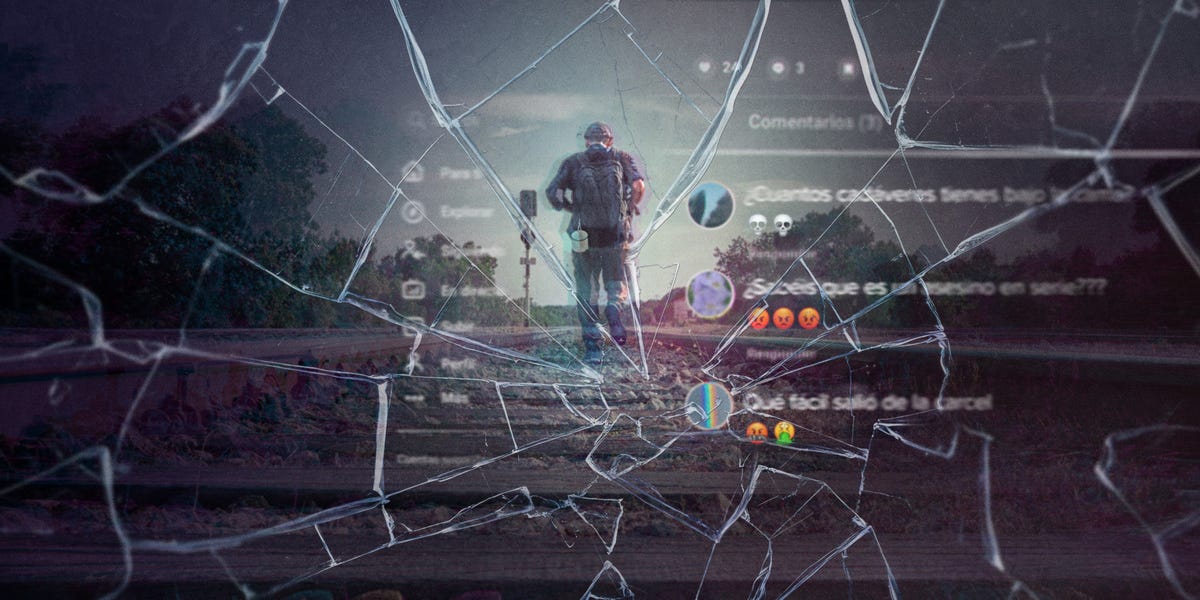
Unmasking Dinamita Montilla: Spain’s Elusive "TikTok Killer" Revealed
The name Dinamita Montilla has recently ignited a chilling ripple of fear and morbid fascination across Spain and beyond. At 64 years old, this individual stands accused of crimes spanning decades, earning the unnerving moniker "Spain's TikTok Killer." For those seeking a comprehensive
Dinamita Montilla Wiki, the public record offers a fragmented yet deeply disturbing picture of a man linked to horrific acts, resurfacing from the shadows of the past into the glare of modern social media.
This article delves into what is currently known about Dinamita Montilla, exploring the timeline of his alleged crimes, the perplexing nickname that ties him to the digital age, and the broader implications of a suspected serial killer operating across such a vast temporal canvas. The case of Dinamita Montilla is a stark reminder that the monsters of yesterday can, tragically, re-emerge in today's world.
The Shadow of the 1980s: Montilla's Initial Reign of Terror
The earliest known accusations against Dinamita Montilla date back to the 1980s. During this period, he is believed to have been responsible for the deaths of four individuals. Details regarding these specific cases remain scarce in readily available public records, contributing to the mystique and horror surrounding his identity. However, the very fact that these crimes occurred so long ago highlights the formidable challenges faced by law enforcement in solving cold cases.
Investigations in the 1980s operated with vastly different tools and forensic capabilities than today. DNA analysis, widespread digital surveillance, and interconnected databases were either rudimentary or non-existent. Cases often relied heavily on physical evidence, witness testimonies, and traditional detective work. For crimes to remain unsolved or to have a suspect only identified decades later speaks volumes about the cunning of the perpetrator, the limitations of the era's technology, or perhaps a combination of factors that allowed Montilla to evade justice for so long.
The re-examination of these decades-old crimes, often spurred by new evidence or advancements in forensic science, is a testament to the relentless pursuit of justice by dedicated cold case units. The hope is always to bring closure to victims' families, no matter how much time has passed. The fact that Montilla's name is now linked to these historical events suggests that painstaking investigative work has been undertaken to connect the dots across time. To understand the full scope of his alleged activities, read more about the timeline here:
Dinamita Montilla: Decades of Crime from the 80s to Today.
The Unsettling Resurgence: 2022-2023 and the "TikTok Killer" Moniker
What has truly propelled Dinamita Montilla into the contemporary spotlight are the allegations linking him to two additional murders, reportedly occurring as recently as 2022 and 2023. The notion of a suspected serial killer from the 1980s potentially resuming his activities in the 21st century is profoundly disturbing, underscoring the enduring threat posed by such individuals. This alleged resurgence has also brought with it a moniker that feels distinctly modern: "Spain's TikTok Killer."
The exact origin and meaning behind the "TikTok Killer" nickname are not explicitly detailed in the limited public information available. However, we can speculate on several possibilities that illuminate the intersection of crime and contemporary media:
*
Social Media Sensationalism: The most likely explanation is that the nickname arose from the rapid spread of information and speculation about Montilla's case on platforms like TikTok. News of his alleged recent crimes and apprehension could have quickly gone viral, with users creating content, discussing theories, or sharing news updates, thus imprinting the platform's name onto the narrative.
*
Method or Connection: Less likely, but still plausible, is that there was some tangential connection between Montilla's recent alleged crimes or his victims and the TikTok platform itself. Perhaps a victim was active on the app, or some clue related to the crimes surfaced via social media.
*
Modern Media Labeling: In an age where every significant event is given a concise, often catchy, label for easier consumption and discussion online, "TikTok Killer" serves as a memorable identifier that immediately places the killer within a modern context, contrasting sharply with his earlier crimes.
Regardless of its precise origin, the "TikTok Killer" moniker highlights how social media platforms have become an integral part of how society consumes and reacts to news, even concerning grave criminal matters. It can accelerate public awareness, but also lead to misinformation or premature judgment. This dual timeline of alleged crimes – from the pre-digital era to the age of viral content – makes Dinamita Montilla's case particularly perplexing and a subject of intense scrutiny. For more insights into his identity and the crimes, explore:
Who Is Dinamita Montilla: Spain's Notorious TikTok Killer?.
Beyond the Headlines: The Broader Context of Serial Crime
The case of Dinamita Montilla, like all serial killer investigations, shines a light on some critical aspects of crime, justice, and society. Serial perpetrators, especially those with such a long span of alleged activity, present unique challenges to law enforcement and leave an indelible mark of fear and grief.
The Persistence of Cold Cases
Montilla's alleged crimes spanning from the 1980s to the 2020s underscore the critical importance of cold case units. These dedicated teams painstakingly review old files, re-examine evidence with new technologies, and pursue leads that may have gone unnoticed decades ago. Their work is a testament to the belief that justice should not have an expiration date. Advances in DNA phenotyping, genealogical databases, and digital forensics have revolutionized the ability to solve cases that once seemed impossible.
The Evolving Face of Crime in Media
The "TikTok Killer" nickname is a prime example of how media narratives around crime have changed. While terms like "The Monster of Florence" (referring to an unrelated Italian serial killer active between 1968 and 1985) reflected the journalistic trends of their time, "TikTok Killer" speaks to the instantaneous, often sensational, and user-driven nature of information dissemination today.
*
For the public: This means having immediate access to news and discussions, but also the responsibility to discern reliable information from speculation.
*
For law enforcement: Social media can be a valuable tool for gathering information or disseminating public appeals, but also a source of challenges, such as managing public panic or correcting misinformation.
Understanding the Impact
The societal impact of figures like Dinamita Montilla is profound. They erode the sense of safety within communities and leave a lasting legacy of trauma for victims' families. The focus, ultimately, must remain on these victims and the relentless pursuit of justice on their behalf.
Understanding the "Dinamita Montilla Wiki" and Future Developments
As of now, a comprehensive, officially sanctioned "Dinamita Montilla Wiki" akin to those for more extensively documented cases does not exist in the public domain. Information remains fragmented, often based on initial reports following his alleged apprehension and the few concrete details released by authorities. This scarcity is typical for ongoing investigations, where information is carefully controlled to protect the integrity of the legal process.
However, as the case progresses through the Spanish legal system, more details are likely to emerge. Court proceedings, official statements, and investigative journalism will gradually fill in the gaps, providing a clearer picture of José Jurado Montilla, the man behind the infamous moniker. It is crucial for the public to rely on verified news sources and official channels for updates, avoiding speculation that could compromise the legal process or cause undue distress. The story of Dinamita Montilla is still unfolding, and only time will reveal the full extent of his alleged crimes and the long road to justice for his victims.
Conclusion
Dinamita Montilla represents a chilling figure in Spain's criminal history, a suspected serial killer whose alleged timeline of activity stretches across vastly different eras. From the shadows of the 1980s to the bright, often unforgiving, spotlight of the social media age, his case highlights the enduring nature of serious crime and the relentless pursuit of justice. The "TikTok Killer" moniker adds a unique, modern layer to this tragic narrative, underscoring how deeply interwoven our digital lives have become with even the most sinister events. As legal proceedings continue, the world watches, hoping that the full truth behind Dinamita Montilla will emerge, bringing some measure of understanding and, ultimately, justice for those whose lives he allegedly cut short.