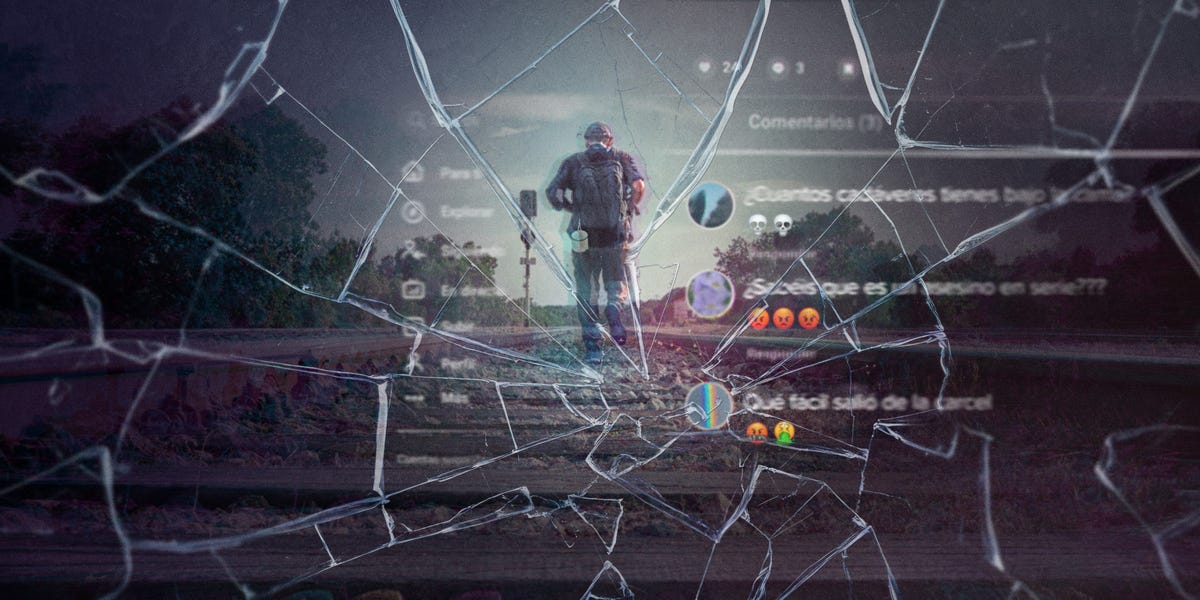
The name Dinamita Montilla sends a chill down the spine of anyone familiar with Spain's darkest criminal annals. For decades, this elusive figure has embodied the terrifying reality of a predator operating across generations, leaving a trail of devastation from the 1980s right into the present day. Unlike many serial offenders whose reigns are confined to specific periods, Montilla's alleged crimes span an astonishing timeline, making him a subject of morbid fascination and intense investigative scrutiny. This comprehensive exploration delves into the known history, the chilling implications, and the modern notoriety surrounding a name synonymous with prolonged terror. For those seeking to compile a definitive Dinamita Montilla Wiki, the following details piece together the fragments of a deeply disturbing narrative.
The Shadow of Dinamita Montilla: A Timeline of Terror
The story of Dinamita Montilla is one marked by stark, chilling bookends. His known criminal activity is said to have commenced in the turbulent 1980s, a period that saw a dramatic shift in both societal norms and investigative techniques. During this era, Montilla is reported to have claimed the lives of at least four individuals. These initial crimes, shrouded in the mystery typical of cold cases, established a disturbing pattern that would haunt Spanish authorities for years to come. The significant passage of time between these early killings and subsequent alleged acts makes Montilla a particularly perplexing and horrifying figure.
What sets Dinamita Montilla apart is not just the brutality of his crimes, but the incredible hiatus and then alleged resurgence of his activity. After the initial killings in the 1980s, decades passed without public knowledge of further offenses attributed to him. This long dormancy is a chilling characteristic often observed in some of the most dangerous serial offenders, where periods of apparent normalcy mask deep-seated pathologies. However, this period of quiet was shattered by allegations of renewed violence in recent years, specifically 2022 and 2023, where Montilla is suspected of having killed two more individuals. This astonishing gap—nearly forty years—between sets of crimes presents an unprecedented challenge for law enforcement and psychological profilers alike.
The existence of such a prolonged criminal career raises profound questions. How does an individual evade capture for so long? What factors contribute to a serial killer’s ability to remain dormant for decades only to re-emerge? The sheer resilience and adaptability required for such a sustained period of criminality, whether active or dormant, speaks to a deeply ingrained predatory instinct. The details surrounding these cases, while still emerging and subject to ongoing investigation, underscore the importance of understanding the full scope of Montilla’s alleged activities for any comprehensive Dinamita Montilla Wiki.
From the 80s to Today: The Elusive Killer's Modus Operandi
The ability of Dinamita Montilla to operate across several decades highlights the complex challenges faced by law enforcement when a serial offender becomes a long-term enigma. The investigative landscape of the 1980s was vastly different from today's. Forensic science, while advancing, was not as sophisticated as it is now. DNA analysis, for instance, was in its infancy or non-existent for routine case work. Databases for fingerprints and criminal records were often localized and less integrated. This environment might have provided ample opportunities for an astute, or simply lucky, killer to evade identification.
Fast forward to the 2020s, and the tools available to investigators have been revolutionized. Advances in DNA sequencing, digital forensics, facial recognition technology, and vast interconnected databases have transformed cold case investigations. The alleged re-emergence of Dinamita Montilla's activity in recent years would have placed him directly in the crosshairs of these modern investigative capabilities. This raises crucial questions: Did his modus operandi change over time? Did he adapt to new technologies, or was it a fatal misstep that led to his eventual identification? The contrast between his initial impunity and his recent apprehension underscores the generational shift in crime-fighting.
A killer who operates for so long might also exhibit an evolution in their psychological state or methods. A younger killer driven by impulsive rage might mature into a more calculating, methodical predator, or vice versa. The long period of inactivity could indicate a self-imposed hiatus, incarceration for unrelated crimes, or simply a period where opportunities for his specific type of offense did not present themselves. Understanding these dynamics is crucial for piecing together the full picture of Who Is Dinamita Montilla: Spain's Notorious TikTok Killer? and how he managed to remain a phantom for so long.
Dinamita Montilla: The 'TikTok Killer' and Modern Notoriety
Perhaps one of the most striking aspects of Dinamita Montilla's story is his unlikely modern moniker: "Spain's TikTok Killer." For a perpetrator whose initial alleged crimes occurred before the widespread adoption of the internet, let alone social media, this designation highlights a unique collision of old crimes and new media. In an age where true crime content dominates streaming platforms and social media feeds, even decades-old cases can find a fresh audience, leading to renewed public interest and, sometimes, critical new leads. Montilla's story is a prime example of how digital platforms can amplify the narratives of notorious figures.
The "TikTok Killer" label itself suggests that either his recent alleged crimes, or his eventual capture and the unfolding details of his decades-long spree, gained significant traction on the popular video-sharing app. This phenomenon speaks to the public's enduring fascination with the macabre and the mysterious. Social media allows for rapid dissemination of information, speculation, and even armchair detective work, bringing cases that were once confined to local newspapers into global public discourse. This digital spotlight, while sometimes fraught with misinformation, can also be a powerful tool for generating awareness and maintaining pressure on authorities to solve cases.
The irony of a killer from the 80s becoming a "TikTok sensation" isn't lost on observers. It demonstrates how a legacy of crime can be reshaped and re-contextualized by new generations and new technologies. For comprehensive information, anyone building a Dinamita Montilla Wiki would need to include not only the historical criminal acts but also the modern reception and discussion surrounding his identity and alleged actions. To understand how authorities finally unmasked this elusive figure and brought his multi-decade reign of terror to light, readers can delve deeper into Unmasking Dinamita Montilla: Spain’s TikTok Killer Revealed.
Investigative Challenges and the Quest for Justice
The saga of Dinamita Montilla exemplifies the profound challenges inherent in solving long-running criminal cases. When crimes span decades, investigators are confronted with a unique set of obstacles. Memories fade, witnesses relocate or pass away, physical evidence can degrade or be lost, and the original investigative teams may have retired. The "cold case" designation is not merely a bureaucratic label; it reflects the immense difficulty in finding fresh leads when initial efforts have been exhausted.
However, the pursuit of justice is tenacious. Cold case units around the world are increasingly utilizing modern forensic techniques to revisit old evidence. The advent of genetic genealogy, for example, has proven revolutionary in identifying suspects in cases where traditional DNA database searches yielded no matches. This method, which uses public genealogy databases to find relatives of a suspect through their DNA, has cracked numerous decades-old cases, offering a new hope for victims' families who had long given up.
The dedication of law enforcement and the unwavering commitment of victims' families are often the driving forces behind the eventual resolution of such enduring mysteries. The case of Dinamita Montilla is a stark reminder that time does not diminish the gravity of violent crime, nor the human cost. Each victim represents a life cut short and a family forever altered. The eventual identification and capture of a long-sought perpetrator, even decades later, brings a measure of closure and reinforces the principle that justice, though sometimes delayed, should not be denied. Lessons learned from cases like Montilla's underscore the need for continuous innovation in investigative methods and the preservation of evidence, no matter how old.
Dinamita Montilla's alleged criminal career, stretching from the 1980s to the 2020s, paints a chilling portrait of a killer who defied time and technology for far too long. His story serves as a stark reminder of the enduring nature of evil, the evolution of criminal investigation, and the public's complex fascination with true crime. As further details emerge, the definitive Dinamita Montilla Wiki will undoubtedly continue to grow, detailing not just the crimes, but the profound human impact and the relentless quest for justice that finally brought his decades of terror to an end.